Course outline — 100 minutes across 6 modules
- Why Liens Exist — the Chapter 44A Toolkit · ≈ 17 min
- The Lien Agent: Designation and the $40,000 Threshold · ≈ 17 min
- Information Flows: Who Must Tell Whom, and When · ≈ 16 min
- Perfecting the Claim: 120 Days, the Right Courthouse · ≈ 17 min
- Enforcement, Priority, and the Clock · ≈ 16 min
- Lien Risk Management for the Licensed GC · ≈ 17 min
Required Board notice — takes effect upon course approval (21 NCAC 12B .0301)
“THE NORTH CAROLINA LICENSING BOARD FOR GENERAL CONTRACTORS HAS APPROVED THIS COURSE ONLY AS TO ITS RELEVANCE TO THE PRACTICE OF GENERAL CONTRACTING IN NORTH CAROLINA. THE COURSE PROVIDER AND INSTRUCTOR ARE RESPONSIBLE FOR THE ACCURACY OF THE CONTENT AND COMPLIANCE WITH ALL STATE AND FEDERAL LAWS DURING THE ADMINISTRATION OF THE COURSE.”
Reproduced verbatim for review. It does not yet apply: the Board has not approved this course.
MODULE 1 OF 6 · ESTIMATED 17 MIN
Why Liens Exist — the Chapter 44A Toolkit
Learning objectives
- State the purpose of North Carolina’s statutory lien system and locate its governing law (Chapter 44A, Article 2).
- Identify who is entitled to claim a lien on real property under § 44A-8 and what that lien secures.
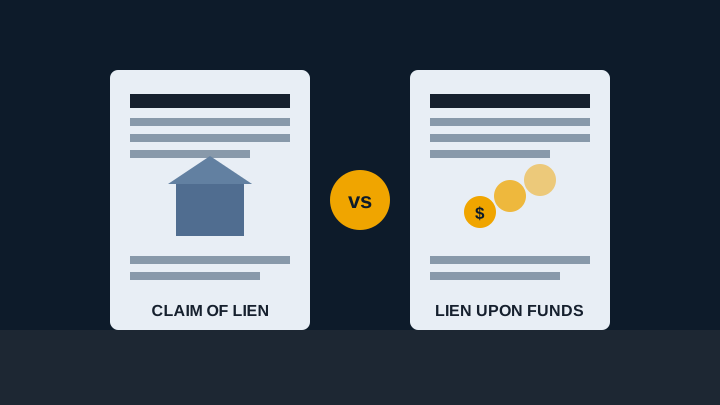
- Distinguish the lien on real property from the subcontractor’s lien upon funds, and explain why the distinction matters on a payment dispute.
Lesson
DRAFT — pending instructor-of-record approval
What this course will do for you
Over the next 100 minutes you will work through the one area of North Carolina construction law that turns unpaid invoices into enforceable security: the statutory lien system of Chapter 44A, Article 2, and the lien-agent machinery that feeds it. This is not an abstract survey. By the end you will be able to answer, for any project you run: does a lien agent have to be designated, and by whom? What must I tell my subs, and how fast? What are the two deadlines that kill a lien claim, and from what date do they run? And what does the 2025 session law that moved the lien-agent threshold mean for the jobs you price this year? Each module ends with knowledge checks — the answer and an explanation appear immediately after each question, and there is no final exam. Your seat time is tracked automatically; the checks count toward your instructional time.
Authority: N.C.G.S. Ch. 44A, Art. 2
The problem liens solve
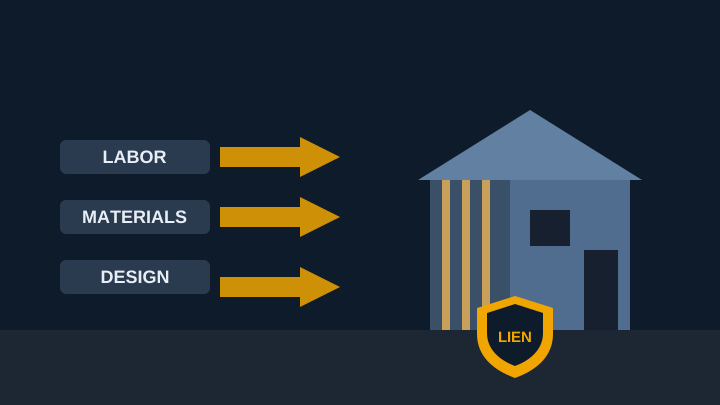
Construction is one of the few industries where enormous value is delivered on credit into an asset the deliverer does not own. A framing crew, a lumber yard, a grading sub — each improves land that belongs to someone else, usually weeks or months before full payment arrives. If the money fails — an owner defaults, a general contractor becomes insolvent, a lender pulls funding — the people who supplied the labor and material would otherwise stand in line as ordinary unsecured creditors. The mechanics’ lien exists to prevent exactly that. It converts the value a claimant added to the real property into security against that property: a legal claim, recorded in the public record, that clouds title and must be dealt with before the owner can cleanly sell or refinance. The lien is fundamentally a remedy for nonpayment for labor, materials, or services that improved the land — not for late completion, design defects, or code violations, which the law addresses through other doctrines.
Authority: N.C.G.S. Ch. 44A, Art. 2
Where the law lives
North Carolina’s statutory liens on real property are governed by Chapter 44A, Article 2 of the General Statutes. When lawyers and title insurers talk about a North Carolina mechanics’ lien, a claim of lien on real property, a notice of claim of lien upon funds, or the lien-agent system, they are all working inside this one article. As a licensed general contractor you are examined on this material for a reason: on a live project, Chapter 44A duties attach to you in three directions at once — as a potential lien claimant when you go unpaid, as the conduit for notice duties owed to your subcontractors, and as the party whose payment practices determine whether the owner faces double-payment exposure.
Authority: N.C.G.S. Ch. 44A, Art. 2
Who holds lien rights — § 44A-8
Section 44A-8 grants the right to claim a lien on real property to any person who performs or furnishes labor, materials, rental equipment, or professional design or surveying services pursuant to a contract with the owner, for the making of an improvement to the real property. Read that carefully — every element does work. It reaches beyond trade labor and materials to rental equipment and to design professionals: the architect and the surveyor working under an owner contract hold the same statutory right as the mason. And the direct-contract requirement means § 44A-8 itself covers those in privity with the owner; those further down the chain — subcontractors and their suppliers — reach the property through a different mechanism we will meet shortly. What the lien secures is payment for what the claimant added to the property; the amount is grounded in the unpaid value of that labor, material, equipment, or service.
Authority: N.C.G.S. § 44A-8
Two different liens, one article
Article 2 actually deploys two distinct instruments, and confusing them is the most common lien mistake in the field. The first is the claim of lien on REAL PROPERTY — the recorded claim against the land itself, available to those who contracted with the owner. The second is the lien upon FUNDS: a subcontractor or supplier who has no contract with the owner instead gets a lien on the money owed up the chain — the payments flowing from owner to general contractor, or from contractor to subcontractor — asserted against the party above it, ultimately reaching the owner. In defined circumstances the statute then lets that funds claimant step into the shoes of the party above it — subrogation — and reach the real property through the general contractor’s own lien right. On a payment dispute, which instrument applies determines whom you serve, what gets encumbered, and how fast you must move; module 4 walks the mechanics of each.
Authority: N.C.G.S. Ch. 44A, Art. 2 · N.C.G.S. § 44A-18 · N.C.G.S. § 44A-23
The cast of characters
Keep five roles straight for the rest of this course. The OWNER holds the real property and, on most commercial projects, carries the duty to designate a lien agent. The GENERAL CONTRACTOR contracts with the owner and holds direct § 44A-8 lien rights — and owes notice duties downward. SUBCONTRACTORS and SUPPLIERS below the GC hold funds-lien rights and, by subrogation, a path to the property. The LIEN AGENT — the subject of modules 2 and 3 — is a registered title-insurance company or agency the owner designates as the central mailbox for early lien-related notices. And the CLERK OF SUPERIOR COURT in the county where the property sits is where a claim of lien on real property is actually filed. Notice who is NOT on the list: the NCLBGC. Licensing and lien law interlock — module 6 shows how — but the Board neither files nor adjudicates liens, and the lien statutes are the General Assembly’s, not the Board’s.
Authority: N.C.G.S. § 44A-8
Worked example — three claimants, one project
Put the article to work on a single job. A homeowner-turned-investor hires you to build a $220,000 spec house. You contract directly with the owner: § 44A-8 gives you a lien right on the real property itself. Your framing subcontractor contracts with YOU, not the owner — its instrument is the lien upon funds, asserted up the chain, with a path to the property by subrogation in the circumstances the statute defines. The truss supplier who sells to that framer is a tier lower still and travels the same funds route. Three parties, three positions, one improvement — and each one’s deadlines run from its OWN last furnishing, not from project completion. When you sketch a payment dispute, start by placing every party on that map; the instrument and the clock both follow from where they stand.
Authority: N.C.G.S. § 44A-8
Why this matters before the first shovel
Everything in Chapter 44A rewards the party who set up the paperwork before trouble started. The lien agent must be designated no later than the owner’s first contract for the improvement. Your duty to pass the lien agent’s contact information to a new subcontractor runs in business days from contracting, not from mobilization. The claim-of-lien deadline runs from LAST furnishing, which means your project records must establish that date with precision. A contractor who treats lien law as something to look up after a payment fails has usually already lost rights by the time the dispute begins. That is the mindset shift this course asks of you: lien compliance is project setup, not dispute response.
Authority: N.C.G.S. § 44A-11.1 · N.C.G.S. § 44A-12
Traducción de cortesía — la versión en inglés es la oficial del curso.
Lo que este curso hará por usted
Durante los próximos 100 minutos recorrerá el área del derecho de la construcción de Carolina del Norte que convierte las facturas impagas en garantía ejecutable: el sistema de gravámenes legales del Capítulo 44A, Artículo 2, y la maquinaria del agente de gravámenes que lo alimenta. Esto no es un repaso abstracto. Al terminar podrá responder, para cualquier obra que dirija: ¿debe designarse un agente de gravámenes, y quién lo hace? ¿Qué debo informar a mis subcontratistas, y con qué rapidez? ¿Cuáles son los dos plazos que anulan una reclamación de gravamen, y desde qué fecha corren? ¿Y qué significa la ley de sesión de 2025 que movió el umbral del agente de gravámenes para las obras que presupueste este año? Cada módulo termina con verificaciones de conocimiento — la respuesta y una explicación aparecen inmediatamente después de cada pregunta, y no hay examen final. Su tiempo de permanencia se registra automáticamente; las verificaciones cuentan para su tiempo de instrucción.
El problema que resuelven los gravámenes
La construcción es una de las pocas industrias donde se entrega un valor enorme a crédito sobre un bien que quien lo entrega no posee. Una cuadrilla de estructuras, un depósito de madera, un subcontratista de movimiento de tierra — cada uno mejora un terreno ajeno, normalmente semanas o meses antes de que llegue el pago completo. Si el dinero falla — el propietario incumple, el contratista general se vuelve insolvente, el prestamista retira el financiamiento — quienes aportaron la mano de obra y el material quedarían en fila como acreedores ordinarios sin garantía. El gravamen del constructor existe precisamente para impedir eso. Convierte el valor que el reclamante agregó al bien inmueble en garantía sobre esa propiedad: una reclamación legal, inscrita en el registro público, que nubla el título y debe resolverse antes de que el propietario pueda vender o refinanciar limpiamente. El gravamen es fundamentalmente un remedio por falta de pago de mano de obra, materiales o servicios que mejoraron el terreno — no por retrasos en la terminación, defectos de diseño o violaciones del código, que el derecho aborda mediante otras doctrinas.
Dónde vive la ley
Los gravámenes legales sobre bienes inmuebles de Carolina del Norte se rigen por el Capítulo 44A, Artículo 2 de los Estatutos Generales. Cuando los abogados y las aseguradoras de títulos hablan de un gravamen del constructor en Carolina del Norte, de una reclamación de gravamen sobre bienes inmuebles, de un aviso de reclamación de gravamen sobre fondos o del sistema del agente de gravámenes, todos están trabajando dentro de este único artículo. Como contratista general licenciado se le examina sobre esta materia por una razón: en una obra activa, los deberes del Capítulo 44A se le adhieren en tres direcciones a la vez — como posible reclamante de gravamen cuando no le pagan, como conducto de los deberes de aviso que se deben a sus subcontratistas, y como la parte cuyas prácticas de pago determinan si el propietario queda expuesto a pagar dos veces.
Quién tiene derechos de gravamen — § 44A-8
La sección 44A-8 otorga el derecho a reclamar un gravamen sobre bienes inmuebles a toda persona que ejecute o suministre mano de obra, materiales, equipo en alquiler o servicios profesionales de diseño o agrimensura conforme a un contrato con el propietario, para la realización de una mejora al bien inmueble. Lea eso con atención — cada elemento cumple una función. Alcanza más allá de la mano de obra y los materiales de oficio: llega al equipo en alquiler y a los profesionales del diseño; el arquitecto y el agrimensor que trabajan bajo contrato con el propietario tienen el mismo derecho legal que el albañil. Y el requisito de contrato directo significa que el § 44A-8 en sí cubre a quienes están en relación contractual directa con el propietario; quienes están más abajo en la cadena — subcontratistas y sus proveedores — llegan a la propiedad por un mecanismo distinto que veremos en breve. Lo que el gravamen garantiza es el pago de aquello que el reclamante agregó a la propiedad; el monto se fundamenta en el valor impago de esa mano de obra, material, equipo o servicio.
Dos gravámenes distintos, un solo artículo
El Artículo 2 despliega en realidad dos instrumentos distintos, y confundirlos es el error de gravámenes más común en el campo. El primero es la reclamación de gravamen sobre BIENES INMUEBLES — la reclamación inscrita contra el terreno mismo, disponible para quienes contrataron con el propietario. El segundo es el gravamen sobre FONDOS: un subcontratista o proveedor que no tiene contrato con el propietario obtiene en cambio un gravamen sobre el dinero adeudado hacia arriba en la cadena — los pagos que fluyen del propietario al contratista general, o del contratista al subcontratista — invocado contra la parte que está por encima de él y que en última instancia alcanza al propietario. En circunstancias definidas, el estatuto permite luego que ese reclamante sobre fondos se coloque en el lugar de la parte superior — subrogación — y alcance el bien inmueble a través del propio derecho de gravamen del contratista general. En una disputa de pago, cuál instrumento aplica determina a quién se notifica, qué queda gravado y con qué rapidez debe actuar; el módulo 4 recorre la mecánica de cada uno.
El elenco de participantes
Mantenga claros cinco papeles durante el resto de este curso. El PROPIETARIO posee el bien inmueble y, en la mayoría de las obras comerciales, tiene el deber de designar un agente de gravámenes. El CONTRATISTA GENERAL contrata con el propietario y tiene derechos directos de gravamen bajo el § 44A-8 — y debe deberes de aviso hacia abajo. Los SUBCONTRATISTAS y PROVEEDORES por debajo del contratista general tienen derechos de gravamen sobre fondos y, por subrogación, una vía hacia la propiedad. El AGENTE DE GRAVÁMENES — tema de los módulos 2 y 3 — es una compañía o agencia de seguros de título registrada que el propietario designa como buzón central para los avisos tempranos relacionados con gravámenes. Y el SECRETARIO DEL TRIBUNAL SUPERIOR del condado donde se ubica la propiedad es donde efectivamente se presenta una reclamación de gravamen sobre bienes inmuebles. Observe quién NO está en la lista: la NCLBGC. Las licencias y el derecho de gravámenes se entrelazan — el módulo 6 muestra cómo — pero la Junta ni presenta ni resuelve gravámenes, y los estatutos de gravámenes son de la Asamblea General, no de la Junta.
Ejemplo práctico — tres reclamantes, una sola obra
Ponga el artículo a trabajar sobre una sola obra. Un propietario convertido en inversionista lo contrata para construir una casa especulativa de $220,000. Usted contrata directamente con el propietario: el § 44A-8 le otorga un derecho de gravamen sobre el bien inmueble mismo. Su subcontratista de estructuras contrata con USTED, no con el propietario — su instrumento es el gravamen sobre fondos, invocado hacia arriba en la cadena, con una vía hacia la propiedad por subrogación en las circunstancias que el estatuto define. El proveedor de vigas que vende a ese estructurista está un nivel más abajo aún y recorre la misma ruta de fondos. Tres partes, tres posiciones, una sola mejora — y los plazos de cada una corren desde su PROPIO último suministro, no desde la terminación de la obra. Cuando esboce una disputa de pago, empiece por ubicar a cada parte en ese mapa; el instrumento y el reloj se desprenden ambos de dónde se encuentra cada quien.
Por qué esto importa antes de la primera palada
Todo en el Capítulo 44A premia a la parte que preparó el papeleo antes de que empezaran los problemas. El agente de gravámenes debe designarse a más tardar en el primer contrato del propietario para la mejora. Su deber de transmitir la información de contacto del agente de gravámenes a un nuevo subcontratista corre en días hábiles desde la contratación, no desde la movilización. El plazo de la reclamación de gravamen corre desde el ÚLTIMO suministro, lo que significa que los registros de su obra deben establecer esa fecha con precisión. Un contratista que trata el derecho de gravámenes como algo que se consulta después de que falla un pago normalmente ya ha perdido derechos para cuando comienza la disputa. Ese es el cambio de mentalidad que este curso le pide: el cumplimiento en materia de gravámenes es preparación de obra, no respuesta a disputas.
Authority & state references
- N.C.G.S. § 44A-8 — Mechanics', laborers', and materialmen's lien; persons entitled to claim of lien on real property ⏱ ≈ 2 min read
- N.C.G.S. Ch. 44A, Art. 2 — Chapter 44A, Article 2 — Statutory Liens on Real Property ⏱ ≈ 25 min read
Tap any citation to read it in the statute reader without leaving this page — about 27 minutes of authority reading is available in this module. Time spent here is instructional time: use it if you want more depth, or if you need additional minutes toward the 100-minute course requirement.
Official text opens on the North Carolina General Assembly site (ncleg.gov) — the source of record for every citation. Read-time figures are estimates.
Independent contractor-education provider. Not affiliated with, endorsed by, or acting for the North Carolina Licensing Board for General Contractors. Education, not legal advice — verify current statutes with the NC General Assembly.